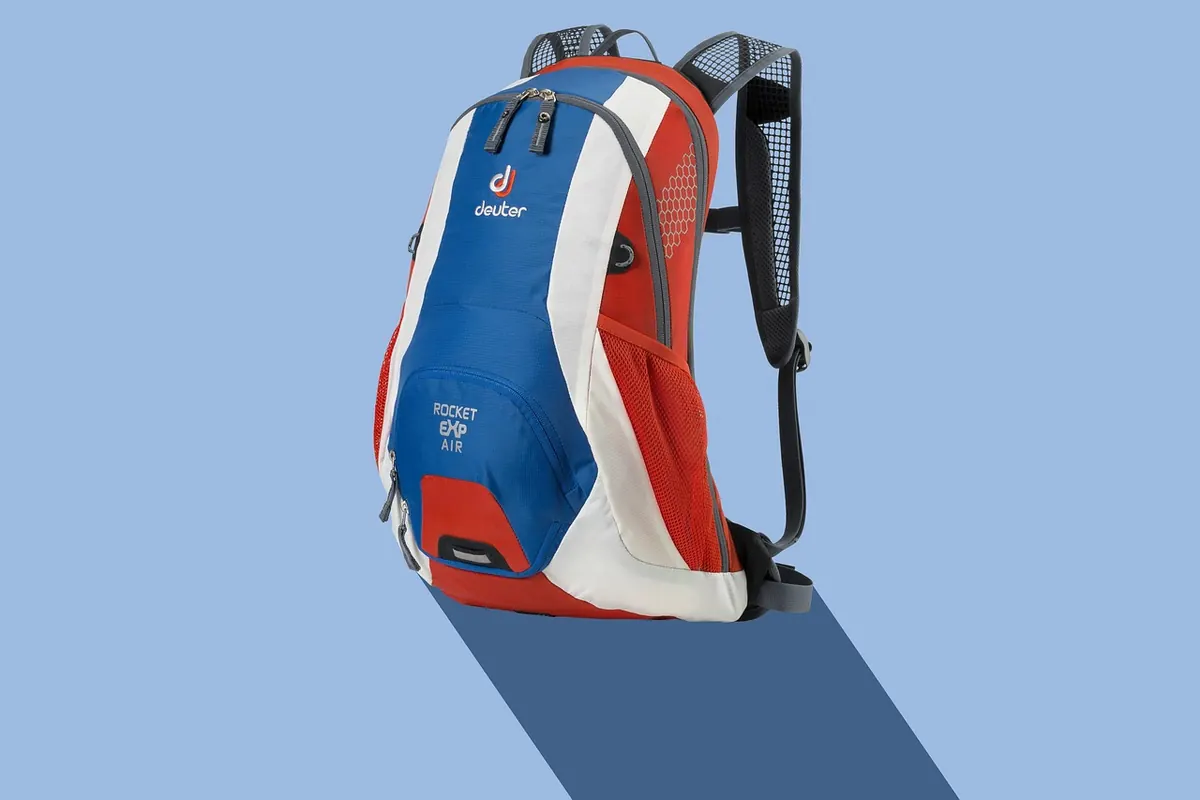
A forecast that promises sunshine at nine can deliver horizontal drizzle by noon, and the summit you could see from the car park may be swallowed by cloud twenty minutes after you set off. That is not a reason to stay indoors. It is a reason to pack properly. What follows covers an ordinary day out — a few hours to a full day, lowland path or hill — and everything on the list has earned its place in the rucksack.
Think in layers, not one big coat
British weather rewards flexibility. A single heavy jacket either cooks you on the climb or leaves you cold when you stop, so build your clothing from three parts instead.
Start with a base layer that moves sweat away from your skin — merino or a synthetic wicking top. Cotton is the one to avoid: it holds water, dries slowly and chills you the moment you slow down. Over that, a fleece or light synthetic mid layer you can strip off on a steep pull. On top, a waterproof shell with taped seams and a hood you can adjust.
Trousers, not jeans. Walking trousers dry quickly and let you move freely over stiles and scree. A spare warm layer should live in the bag, unworn, kept dry for the moment you stop for lunch on a windy shoulder or someone in the group turns an ankle and the pace drops.
Waterproofs do the real work
A jacket is only half the job. Overtrousers add very little weight and turn a miserable wet descent into a merely damp one, so keep them in the rucksack all year rather than checking the forecast and leaving them at home.
Look for a hood with a stiffened peak that stays up in wind, and pit zips if you run hot. Inside the pack, put anything that must stay dry — phone, spare layer, map — in a dry bag or a simple plastic bag. A soaked paper map is useless, and so is a phone that has been sitting in a wet pocket for two hours.
Feet, and the small things that ruin a day
Boots or walking shoes with proper grip and, on rough ground, some ankle support. Fit matters more than brand: your toes should not touch the front when you kick downhill. Wear them a few times on short walks before trusting them on a long one.
Socks should be wool or synthetic, and thicker than you might think. Take a spare pair. Carry blister plasters and know where you tend to rub — most people find out on the same heel every time. Walking poles are worth borrowing if you have a knee that complains on descents; they take a surprising amount of load off the way down.
Navigation you can actually use
A phone is a useful backup, not a primary tool. Signal in the hills is patchy at best, batteries die faster in the cold, and a cracked screen ends the argument. Carry a paper map of the area — Ordnance Survey, Harvey or similar — in a case, plus a compass, and be honest about whether you can set a bearing and follow it. If you cannot, spend an hour practising in a local park before you need the skill on a cloud-covered ridge.
Download offline maps before you leave, take a small power bank, and start the day with a full charge. Tell someone at home where you are going, the route you intend to take and when you expect to be back. That single message is the most valuable thing in your bag.
Food, water and warmth from the inside
Take more water than feels necessary — a litre for a short walk, two or more on a long or warm day — and a flask of tea in winter, which does more for morale than any piece of kit. Eat before you are hungry: oatcakes, nuts, sandwiches, a bit of chocolate. Cold hands and a foggy head are often just hunger and dehydration in disguise.
Safety and emergency kit
You are unlikely to need any of this, which is exactly why it weighs so little. A headtorch with spare batteries, a whistle, a small first aid kit, a foil blanket and an emergency shelter or bothy bag take up a corner of the pack. So does a length of tape for running repairs.
If something goes wrong, dial 999, ask for the police, then ask for mountain rescue. Give a grid reference or a precise location from a location app, describe the injury plainly, and stay put once you have made the call. If you walk in the hills regularly, a navigation or mountain skills course is money well spent; general advice only goes so far. Anyone with a heart, breathing or joint condition should check with a doctor before taking on a demanding route.
The 15 essentials, at a glance
- Wicking base layer — merino or synthetic
- Fleece or light insulated mid layer
- Waterproof jacket with an adjustable hood
- Waterproof overtrousers
- Spare warm layer, kept dry
- Walking trousers that dry quickly
- Boots or walking shoes with grip
- Spare socks and blister plasters
- Hat and gloves, even in summer
- Paper map and compass
- Charged phone, offlined maps, power bank
- One to two litres of water, plus food
- Headtorch with spare batteries
- Small first aid kit and a whistle
- Emergency shelter or foil blanket, plus a dry bag
Before you leave the car park
Run through three things. Check the mountain forecast — the Met Office mountain area forecasts are far more useful than a town forecast for the valley below. Confirm that someone knows your route and your return time. Then physically open the rucksack and touch the waterproofs, the torch and the map, rather than trusting that they are in there.
Boots tied, phone charged, spare layer in the dry bag, and off you go. The hills will still throw something unexpected at you. That is part of the appeal — you simply want the surprise to be a sudden view rather than a sudden soaking.
Photo: stux / Pixabay