Ben Nevis is not a mountain that needs much introduction. At 1,345 metres it is the highest ground in Britain, and on a clear day the summit cairn appears long before you reach it. In cloud, the same cairn and the smaller piles of stone along the route become something else entirely: welcome markers, ambiguous clues, and sometimes the reason walkers head in the wrong direction. Cairns have a long history here, and they remain part of how people find their way. The skill is to use them without depending on them — and without adding to them.
A short history of cairns on Ben Nevis
Cairns have been used in the Scottish Highlands for centuries. They mark routes, summits, boundaries and memories. On Ben Nevis, the best-known is the summit cairn, which has been rebuilt and altered many times.
The summit area also holds the ruins of the old observatory, which operated in the late 19th and early 20th centuries. Lower down, the Mountain Track — often called the Tourist Path — has been repaired and waymarked over the years. Some cairns were placed to guide walkers away from erosion or dangerous ground. Others were built informally by visitors. Not every cairn you meet is official, old, or reliable.
What cairns are for — and what they are not
A cairn is a simple thing: stones piled by human hands. It can be a waymark, a memorial, a boundary marker, or a piece of path furniture. On Ben Nevis, most walkers treat them as navigation aids. A cairn tells you that someone else passed this way. It does not tell you that the route is safe, legal, or correct for your day.
It may mark a shortcut that leads towards steep ground. It may be a memorial, in which case moving its stones is disrespectful. It may be a temporary marker that will disappear under snow. Treat every cairn as a question, not an answer.
Using cairns well: five habits
- Confirm, don't lead. Use a cairn to confirm a decision you have already made with a map, compass, or GPS.
- Look both ways. Cairns are often easier to see from the other direction. Turn around now and then.
- Count, but stay sceptical. Counting can help you keep place, but missing or extra cairns are common.
- Check the ground. If a cairn points towards a steep drop, a gully, or boggy ground, stop and check the map.
- Respect winter. Snow can bury cairns or make them look like random rocks. In winter, they are not a navigation plan.
The upper plateau: where cairns matter most
Above roughly 1,100 metres, Ben Nevis becomes a stony plateau. The path is less obvious, and the summit cairn can seem to float in and out of view. In clear weather, the line of cairns helps you follow the route. In cloud, the plateau can feel disorienting. The edge of the mountain is closer than it appears, and gullies such as Five Finger Gully are serious hazards, especially in wet or winter conditions.
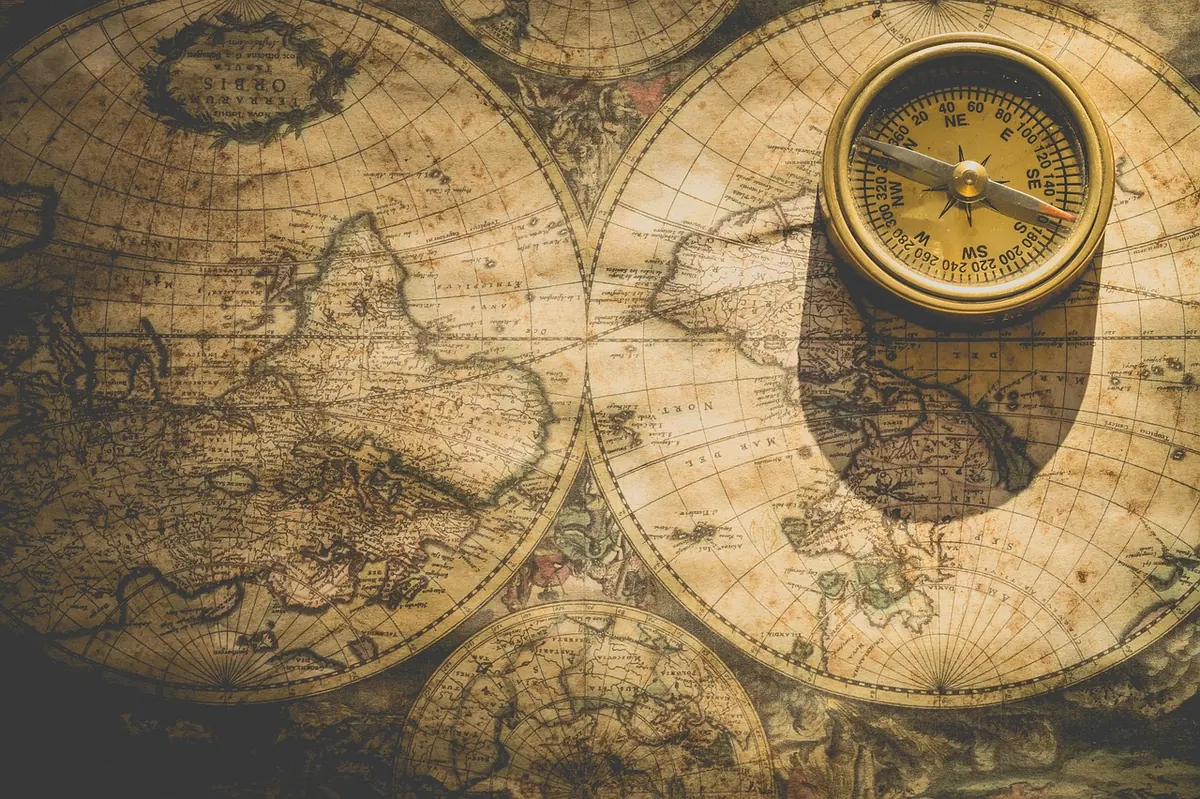
Cairns can help you avoid those places, but only if you know where you are. A compass bearing taken before you enter the cloud is worth more than a cairn you cannot see. If you navigate with a phone, keep it warm and carry a paper map and compass as backup. Cold weather drains batteries quickly.
Leave No Trace: why you should not add stones
The Leave No Trace approach to cairns is straightforward: leave them as you find them. Do not add a stone. Do not build a new cairn. Do not dismantle an existing one.
- Stability. Moving stones can make a cairn less stable and less useful for the next person.
- Habitat. Stones on the mountain provide shelter for lichens, mosses, and small invertebrates. Disturbing them causes damage.
- Erosion. Lifting stones from fragile ground can expose soil and worsen wear.
- Confusion. New cairns can send walkers in the wrong direction, particularly in cloud.
- Respect. Some cairns are memorials. Adding or removing stones can cause real distress.
If you need to mark a turn for your return, use a temporary waypoint on your GPS or note a natural feature. If you are lost, do not build a cairn. Stop, check your location, and retrace your steps. The Scottish Outdoor Access Code encourages responsible access; leaving stone structures alone is part of that.
Cairn etiquette on the day
Ben Nevis is a serious mountain, even on the busy path. The cairns are part of its story, but they are not a substitute for preparation.
- Check the forecast. The summit can be several degrees colder and far windier than Glen Nevis. Turn back if conditions worsen.
- Carry the right kit. Map, compass, GPS or phone, spare warm layers, waterproofs, food, water, and a headtorch.
- Tell someone your plan. Leave your route and expected return time with a responsible person.
- Use cairns as confirmation. Check the map at each cairn. If a cairn does not match the map, trust the map.
- Do not add or move stones. Leave the cairns exactly as you found them, whether they are old, new, or fallen.
- Know how to call for help. In the UK, dial 999 or 112 and ask for Police Scotland, then Mountain Rescue.
Walk lightly, navigate carefully, and let the cairns keep their history. The mountain does not need more stones. It needs walkers who can read it, respect it, and come back safely.